
Practical Training. Real Results.

Training that ends with an improvement in your plant

Certification courses prove what a person knows. Our courses prove what changed in your plant. Every course is taught on the job, on your own machines, by an analyst who still does this work every week — and it finishes when your team has fixed something real and shown the result.


How our training is different?

Training Environment

Traditional courses typically take place in classrooms or on demonstration equipment. Asset Peak Performance delivers training directly in your plant, using your own machines and real operating conditions.

Practical Approach

Traditional courses focus on theoretical knowledge and exam preparation. Our training is built around our Implementation Guides — practical procedures your team can continue using long after the course ends.

Lasting Value

Traditional courses award a certificate to an individual. Our training aims to establish a practical improvement in your plant, supported by a certificate that documents the achievement. Both approaches have their place. If you need formal certification for an individual, an accredited certification body is the right route. If you want to improve your plant's performance, our practical training is designed for that purpose.

Measurable Results

Traditional courses typically conclude with a written exam. Our training concludes with a before-and-after report demonstrating an improvement implemented in your own plant.

Certificates

Two Certificates

Both certificates are issued by Asset Peak Performance SARL.

Certificate of Attendance & Completion

Awarded to participants who successfully complete the course.

Certificate of Achievement

Awarded when a participant submits a before-and-after report demonstrating an improvement implemented in their own plant. It records a real result, not simply attendance at a course.

Two Ways to Train

Courses are delivered in Arabic, English, or French.

On-Site Training

Any course can be delivered directly at your plant, tailored to your team and built around your own equipment and operating conditions.

Open Courses

Scheduled courses are available for individual engineers and technicians at venues in Lebanon and, in Syria, through our official partner, Modern Maintenance Center.

Our Training Courses

Vibration Analysis

Learn to collect reliable vibration data, recognize common machine faults, and translate findings into practical maintenance actions on your own equipment.

Shaft Alignment & Rotor Balancing

Learn to correct shaft misalignment and rotor imbalance, two common and preventable causes of vibration, and verify improvements through before-and-after measurements.

Bearings and Seals

Develop practical knowledge of bearing and seal selection, mounting, lubrication, and failure analysis to improve machine reliability and service life.

Lubrication and Oil Analysis

Build a practical lubrication programme covering lubricant selection, correct quantities, application intervals, and oil analysis to monitor lubricant condition and performance.

Filtration and Contamination Control

Learn to establish cleanliness targets, select appropriate filtration, and control contamination to extend lubricant life and protect machinery.

Ultrasound Inspection

Learn to detect leaks, inspect steam traps and electrical panels, and apply correct lubrication practices to bearings using ultrasound.

Infrared Thermography

Learn to identify abnormal temperatures in electrical and mechanical equipment before they develop into serious failures.

Your Trainer

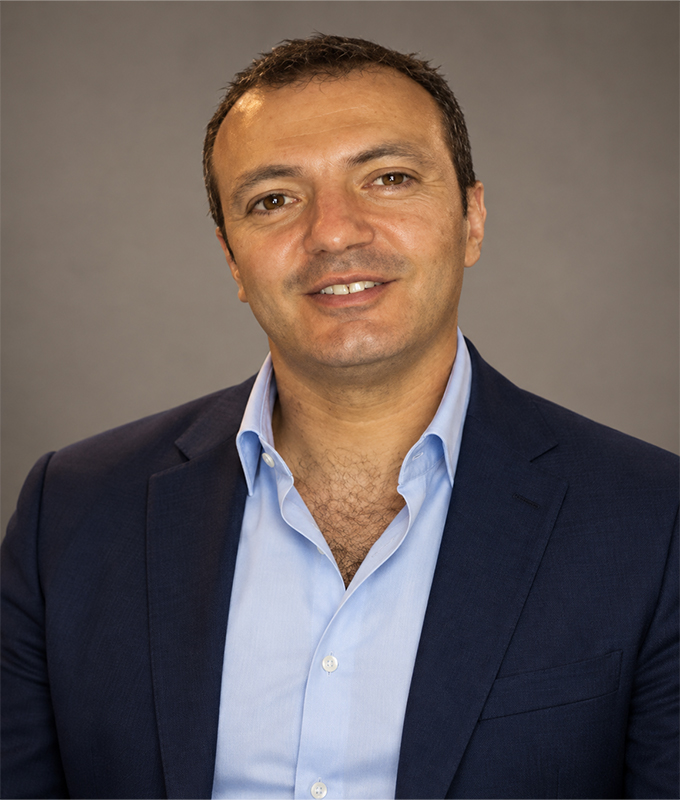
Johnny Frem has worked in the field since 1997, when he joined SKF's distributor in Lebanon as a specialist in bearings, lubrication, seals, and alignment — the foundations of Asset Peak Performance's expertise. He founded Asset Peak Performance in 2009.

He is a certified vibration analyst (ISO 18436 Category III) and a certified machinery lubrication technician and lubricant analyst. He has trained more than 800 engineers and technicians and worked as a Mobius Institute training partner for over a decade, initially in Lebanon and, from 2021, in Ghana and West Africa.